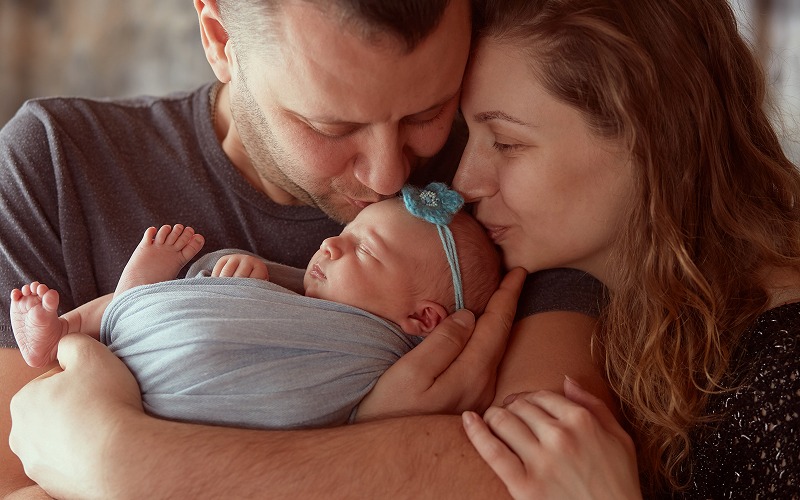
A photoshoot can preserve the small details of a baby’s early days, from tiny fingers to the way a newborn rests in a parent’s arms. Yet the first weeks after birth can also be unpredictable. Feeding, sleep, temperature and comfort may change throughout the day, so a successful newborn photoshoot session needs flexibility rather than a tightly controlled schedule.
Planning a baby photoshoot around the newborn’s needs can help parents feel more prepared. The aim should be to create a calm environment, allow time for feeding and settling, and use safe, comfortable positions. Photographs are important keepsakes, but the baby’s wellbeing must remain the priority throughout the session.
1. Choose A Suitable Time And Keep The Schedule Flexible
Newborn routines can vary from day to day. A time that worked well for feeding or sleeping yesterday may not work the same way today. Instead of expecting the baby to follow a strict photography schedule, discuss a flexible appointment window with the photographer.
Consider when the baby is usually settled, but treat that pattern as a guide rather than a guarantee. Allow extra time for feeding, changing and comforting. Parents may also need breaks, especially in the early weeks when recovery and adjustment can be demanding.
Preparation Timeline
| Timing | Preparation | Purpose |
| Several days before | Discuss the baby’s age, session style and family preferences | Helps the photographer plan suitable arrangements |
| One or two days before | Prepare clothing, nappies and essential supplies | Reduces last-minute searching |
| Before leaving home | Feed or change the baby if needed, without forcing a schedule | Helps the family arrive prepared |
| At the start of the session | Check the room, temperature and setup | Supports a comfortable environment |
| During the session | Pause for feeding, settling and changing | Responds to the baby’s needs |
| Before finishing | Review any essential shots that remain | Helps prioritise without rushing |
Use this timeline as a flexible guide. If the baby needs more time, pause the photography rather than trying to preserve the schedule at the expense of comfort.
2. Plan Feeding And Rest Around The Baby
Feeding needs may influence the timing and pace of a baby photoshoot. Discuss the expected session length with the photographer and ask whether breaks are included. Parents should feel comfortable feeding the baby when needed, even if it means interrupting the planned sequence.
Do not withhold or delay a feed to encourage a particular photograph. A settled baby may be easier to photograph, but hunger and distress should be addressed promptly. If feeding takes longer than expected, allow the session to adapt.
Sleep also varies. Some babies may sleep during part of the session, while others remain alert. The photographer should be able to work with these differences, using natural moments and comfortable positions instead of relying on the baby remaining asleep.
Bring the supplies you normally use, including nappies, wipes, feeding equipment where applicable and spare clothing. Keep these items accessible so parents do not need to search through bags during a break. A calm, unhurried approach makes the experience more manageable for everyone.
3. Prepare Comfortable Clothing And Simple Props
Clothing can influence the look of newborn photographs, but comfort and ease of changing should come first. Soft garments that open easily can make dressing and undressing less disruptive. Avoid anything that appears restrictive or makes it difficult to monitor the baby’s comfort.
Discuss the intended style with the photographer before choosing outfits. Neutral colours can create a simple look, while a small number of coordinated colours may add personality. Parents can also prepare a family outfit that complements the baby’s clothing without needing everyone to match exactly.
Props should be used selectively. A familiar blanket or meaningful family item may add a personal touch, but every additional object introduces another setup decision. Check that props are clean, stable and appropriate for the baby’s age. Avoid objects that could obstruct breathing, create a fall risk or place the baby in an uncomfortable position.
If the photographer proposes a particular pose or prop arrangement, ask how the baby’s head, neck and body will be supported. You should feel able to decline a setup that seems uncomfortable or unsafe.
4. Keep The Room Comfortable And The Setup Safe
Newborns need a comfortable environment, and room conditions should be adjusted carefully. Ask the photographer about the planned space and whether the room can be kept at a suitable temperature. Avoid excessive heating intended to make a baby sleep, and monitor for signs that the baby is too warm or uncomfortable.
The photography area should be clean, stable and free of unnecessary hazards. Props, chairs, baskets and raised surfaces require particular care because a newborn cannot protect themselves from slipping or rolling. The baby should never be left unattended on a raised surface, even briefly.
Safe positioning matters more than achieving a particular image. The baby’s head and neck should be supported, and the body should not be forced into a position. Some images that appear to show a baby resting in a complex pose may involve support or editing. Ask the photographer to explain the setup rather than assuming the baby will be left in the position independently.
Parents should remain involved and close enough to assist when needed. If the baby shows signs of distress, pause and return to a comfortable position. No photograph is worth compromising the baby’s safety.
5. Discuss Handling, Poses And The Photographer’s Experience
Before booking, ask about the photographer’s experience working with newborns and their approach to handling. Photography experience alone does not necessarily establish expertise in newborn positioning or infant safety. Look for clear answers about supervision, support, hygiene and the use of props.
Discuss which types of photographs you want. Some parents prefer natural family portraits, while others may like close-up details or simple posed images. The photographer should explain what is practical for the baby’s age and comfort, and should not insist on a pose that causes distress.
Avoid expecting the newborn to remain still for long periods. Babies need to move, feed, cry and be comforted. A photographer who plans around these needs can capture a variety of moments without making the session unnecessarily stressful.
Ask whether parents can remain beside the baby during posing and whether the photographer uses an assistant for certain setups. Confirm that anyone handling the baby understands the need for gentle support and constant attention.
6. Prepare Parents And Family Members Too
A newborn photoshoot can involve several people, including parents, siblings and other family members. Agree on the main photographs in advance so everyone understands what is planned. A short list may include individual baby portraits, parent-and-baby images and a group family photograph.
Keep expectations realistic for siblings, especially young children who may find it difficult to wait quietly. Bring a familiar toy or quiet activity and allow breaks if needed. Do not force a child to participate in a pose if they are distressed or uncomfortable.
Parents should choose clothing they can move and sit in comfortably. Feeding, holding and settling the baby may take up much of the session, so practical clothing can be more useful than an outfit that requires constant adjustment.
Consider the parents’ energy levels as well. The early days after birth can be physically and emotionally demanding. If the session becomes tiring, simplify the shot list or reschedule when appropriate rather than pushing through every planned photograph.
Keep The Session Baby-Led
Before the appointment, agree on a flexible plan with the photographer and prepare the essential supplies. During the session, prioritise feeding, comfort, safe handling and the baby’s cues. A shorter session with relaxed family moments may be more valuable than a long session built around a rigid shot list.
Contact Our Momento to discuss your newborn photoshoot preferences and plan a session that allows time for your baby’s comfort and your family’s needs.
About the Author